Blog · 13 September 2026
Why Do People Fail Their Driving Test in Nottingham? (Top 10 Reasons)
The 10 most common reasons learners fail at Colwick and Chilwell — plus practical tips from Driving Craft on how to avoid them.
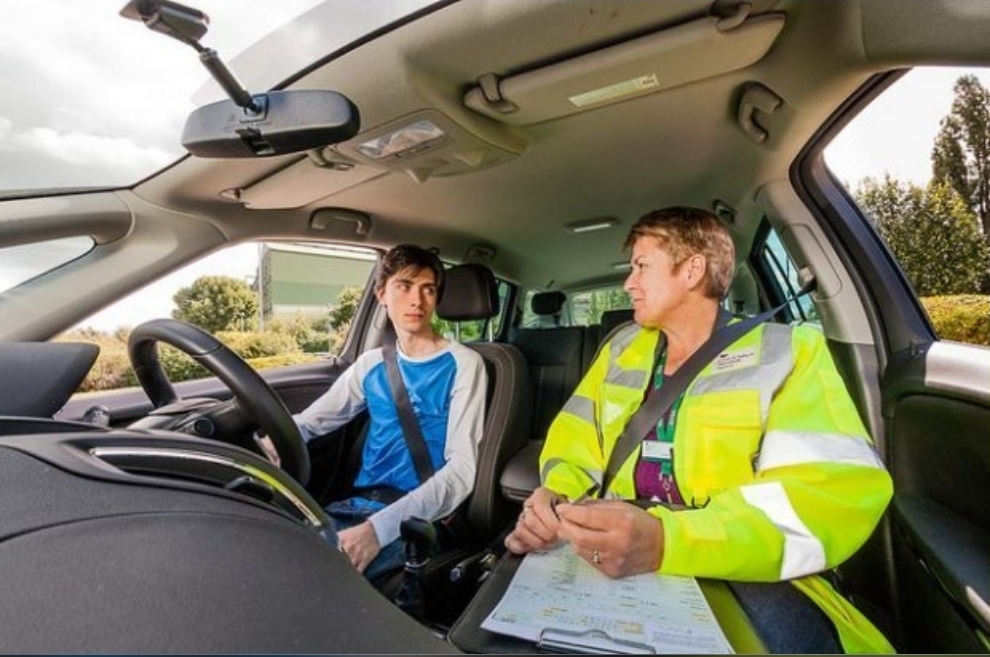
Passing your practical driving test in Nottingham isn't just about knowing how to control a car. You need to prove to the examiner that you can drive safely, make smart decisions, and handle real-world traffic with confidence.
Every year, hundreds of learners take their test at local centres like Colwick and Chilwell, but many leave without a pass certificate. Sometimes it’s a single serious mistake; other times, it’s a build-up of smaller driver faults.
The good news? Most common test faults are completely avoidable with the right instruction and structured practice.
According to official DVSA data, these are the 10 most frequent reasons people fail their driving test — along with practical tips from Driving Craft on how to avoid them.
1. Not Making Effective Observations at Junctions
This remains the single most common cause of test failures across Great Britain.
The mistake: Pulling out onto a new road without looking properly, or looking too late when the front of your car is already over the line. For instance, when emerging from a quiet side street in West Bridgford or Beeston, failing to check both left and right for pedestrians or cyclists.
How to avoid it: Approach junctions slowly. Don't just scan mechanically — ask yourself: "Is it completely clear, and what might be hidden behind parked cars?"
2. Incorrect Use of Mirrors When Changing Direction
The mistake: Signalling or steering before checking your mirrors — especially when exiting roundabouts or pulling out around parked vehicles on tight residential streets.
How to avoid it: Build a reliable Mirror – Signal – Manoeuvre (MSM) routine. Check your interior and door mirrors before you signal or alter your speed and position.
3. Unsafe Moving Off
The mistake: Moving away from the kerb without checking your blind spot (the “six-point check”), potentially pulling straight into the path of an oncoming vehicle or cyclist.
How to avoid it: Always take a final glance over your right shoulder into your blind spot before moving off. If you're unsure, pause and wait.
4. Incorrect Positioning When Turning Right
The mistake: Staying too far to the left when waiting to turn right at a junction or roundabout, which blocks traffic behind you and confuses other drivers.
How to avoid it: Position your vehicle towards the centre line where safe, follow road markings early, and make your intentions clear to surrounding traffic.
5. Not Responding Correctly to Traffic Lights
The mistake: Hesitating unnecessarily at green lights, failing to anticipate changing signals, or stopping over the white line at bicycle advanced stop boxes.
How to avoid it: Scan far ahead. A green light means proceed if safe, not blindly accelerate. Prepare early as you approach light-controlled junctions.
6. Lack of Steering Control
The mistake: Turning the wheel too late or under-steering, causing the car to mount the kerb or swing wide into oncoming traffic lanes.
How to avoid it: Control your speed before entering the turn. Smooth, early steering inputs are much safer than sudden, jerky corrections.
7. Ignoring or Misreading Road Markings
The mistake: Missing Give Way lines, bus lane entry times, or lane direction arrows — a frequent issue on busy multi-lane roads like the A60 London Road or A52 Derby Road.
How to avoid it: Don't just look at the vehicle directly in front of you. Keep your vision high and scan the tarmac ahead for arrows and restrictions.
8. Not Responding Appropriately to Traffic Signs
The mistake: Overlooking speed limit changes (such as dropping from 40 mph to 20/30 mph zones) or missing Keep Left / Stop signs on unfamiliar routes.
How to avoid it: Actively hunt for road signs early so you have plenty of time to react naturally without braking hard.
9. Poor Road Positioning During Normal Driving
The mistake: Hugging the centre line, driving dangerously close to parked cars, or failing to keep left on dual carriageways when the road ahead is clear.
How to avoid it: Aim for a central, safe line within your lane. Leave a clear clearance gap (doors-width) when passing parked vehicles.
10. Driving at an Inappropriate Speed
The mistake: Driving too fast for weather conditions, or driving unnecessarily slowly (e.g. doing 18 mph in a clear 30 mph zone), which holds up traffic and shows a lack of confidence.
How to avoid it: Match your speed to the limit, traffic flow, weather, and road layout. Progress safely when the road is open; slow down when hazards appear.
Mastering the Local Roads in Nottingham
Nottingham presents unique driving challenges — from navigating busy tram lines and shared bus lanes to multi-lane roundabouts like Bardills Roundabout and Bramcote Island.
Memorising test routes isn't enough. Examiners want to see independent, safe drivers who can adapt to any condition and layout smoothly.
How to Know You’re Ready to Pass
- You make calm, safe decisions without relying on your instructor's prompts.
- You handle unexpected hazards (like pedestrians stepping out) without panicking.
- You consistently perform your mirror and blind-spot checks automatically.
Ready to Pass Your Driving Test in Nottingham?
At Driving Craft, we don't just teach you how to pass a test — we teach you how to drive safely for life. Whether you're preparing for your first attempt at Colwick or Chilwell, or looking to rebuild your confidence after a fail, our structured driving lessons in Nottingham are tailored to your pace.
Ready to book? Contact Driving Craft today for driving lessons in Nottingham.